Available Online: 31 Aug 2026
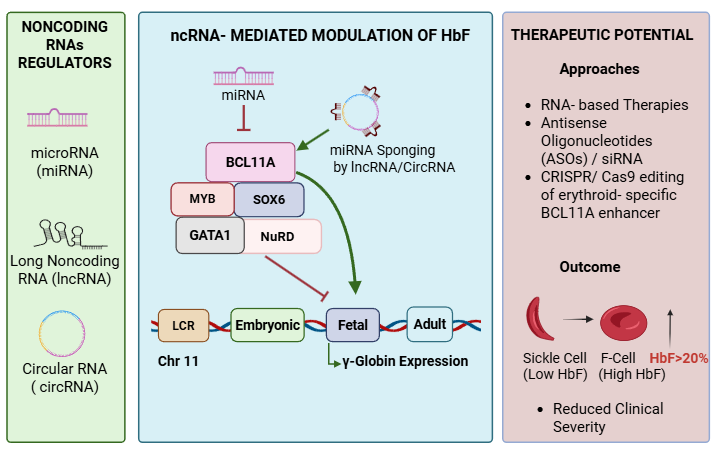
Noncoding RNA-Mediated Control of HbF Switching: From Molecular Mechanisms to Clinical Translation
Volume 3
Subscribe for research updates and exclusive content straight to your inbox
Available Online: 31 Aug 2026
Volume 3
Subhalaxmi Mallik
subhalaxmimallik08@gmail.com
Abinash Nayak
abinashnayakzoology@gmail.com
Sudhansu Sekhar Nishank
nishankss.zool@utkaluniversity.ac.in
Published: 09 Jul 2026
Volume 3
Kamaljeet
2116957@isfcp.org
Yavnika Minhas
yavnika@isfcp.org
Sourabh Kosey
sourabh@isfcp.org
Published: 08 Jul 2026
Volume 3
Ke Li
cocos1n@163.com
Yu Liu
yuliu23@connect.hku.hk
Guangzhao Huang
1294329270@qq.com
Ruohan Zhai
zly200202@163.com
Chunjie Li
lichunjie@scu.edu.cn
Published: 12 Jun 2026
Volume 3
Yu Liu
yuliu23@connect.hku.hk
Xiaotong You
xiaotongyou@connect.hku.hk
Chuzi Mo
mcz878mcz@connect.hku.hk
Xiaohu Hao
xiaohu_hao@aliyun.com
Head and neck squamous cell carcinoma (HNSCC) is characterized by a highly heterogeneous tumor microenvironment (TME), which plays a critical role in disease progression and therapeutic resistance. The emergence of spatial omics and multimodal imaging approaches, including spatial transcriptomics, proteomics and metabolomics, has revolutionized the understanding of the tumor microenvironment (TME) by preserving the spatial architecture of molecular landscapes. This review synthesizes key advances enabled by spatial omics in the..
Published: 11 Jun 2026
Volume 3
Yunzhi Zou
zouyz1@sysucc.org.cn
Rong Xiang
xiangrong@sysucc.org.cn
Jixiang Zhao
zhaojx@sysucc.org.cn
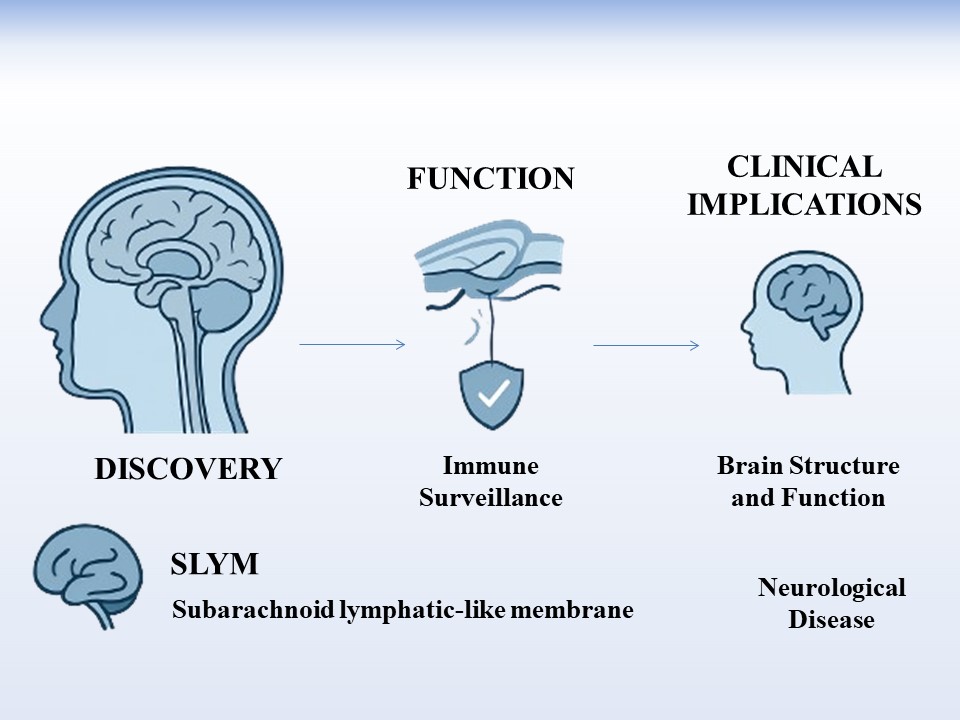
The human brain exhibits marked regional specialization in cellular composition, gene expression, and tissue architecture. Growing evidence suggests that these spatial differences influence both the anatomical distribution of brain tumors and their subsequent progression. Across tumor types such as gliomas, meningiomas, and brain metastases, specific molecular subtypes frequently show characteristic anatomical distributions, suggesting a functional coupling between tumor genetics and regional brain microenvironments. In this mini review, we summarize recent..
Published: 25 May 2026
Volume 3
Vikash Chandra Mishra
vikashbiotech01@gmail.com
Dinesh Chandra
dineshchandrapathak.345@gmail.com
Anoushka Raina
araina21@gmail.com
Ritu Sharma
rit.sharma97@gmail.com
Diksha Dhuliya
dikshadhuliya@gmail.com
Vimarsh Raina
rainavimarsh@gmail.com
Published: 05 Jun 2026
Volume 3
Chuzi Mo
mcz878mcz@connect.hku.hk
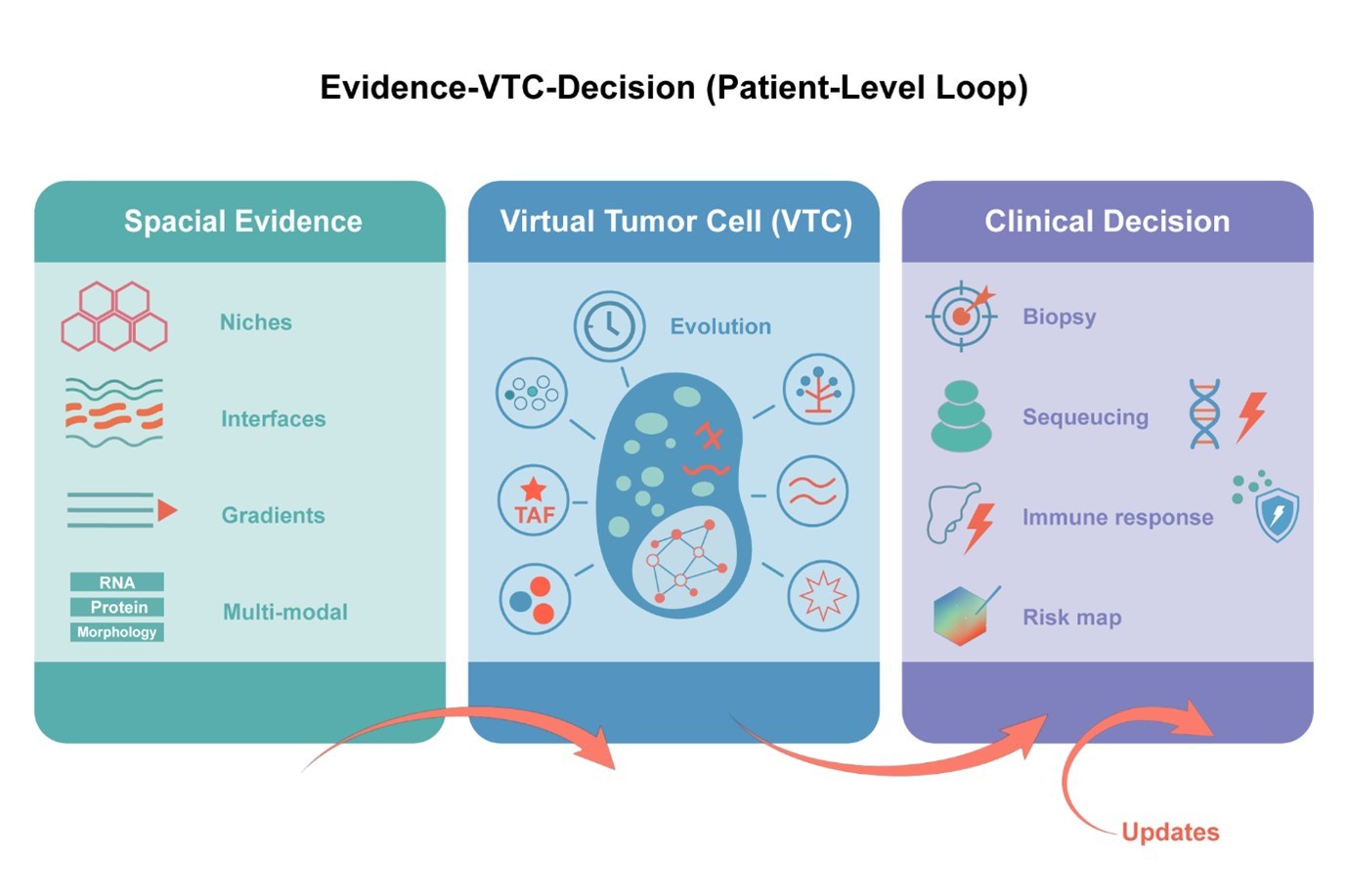
The tumor microenvironment (TME) is a critical niche that influences tumor progression and the development of therapeutic resistance. Spatial omics technologies enable in situ investigation of cellular ecology and intercellular interactions within the TME, addressing the lack of spatial context associated with bulk and single-cell sequencing approaches. Classical Hodgkin lymphoma (cHL) and pancreatic ductal adenocarcinoma (PDAC) exhibit distinct TME characteristics: cHL is characterized by dense immune-cell infiltration accompanied by functionally..
We use cookies to improve your experience on our site. By continuing to use our site, you accept our use of cookies. Learn more