Publish with Us

Cancer Research and Therapy Connect

Volume 2


open-access Perspective

Published: 22 May 2026

Chrono-Adaptive Resistance Disruption (CARD): A Novel Pharmacological Framework to Address Anticancer Drug Resistance

Volume 2

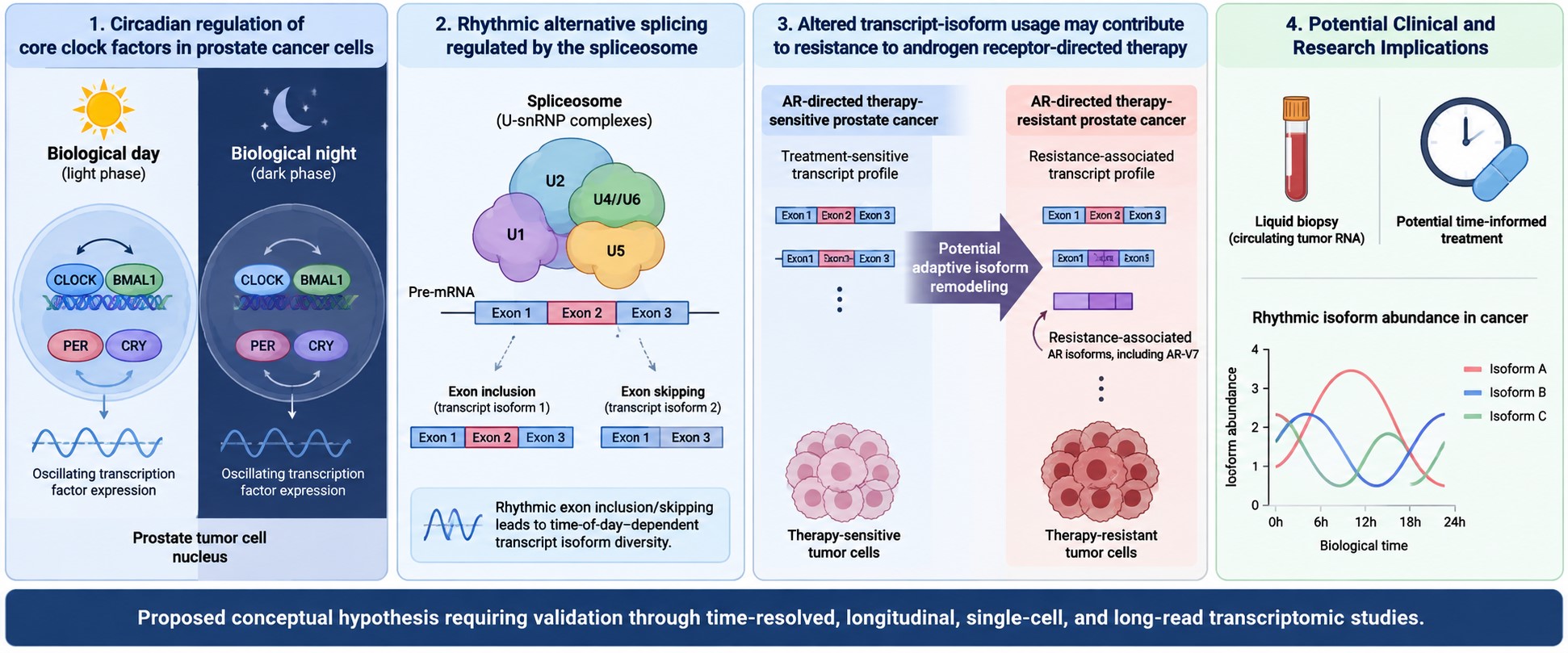
Drug resistance in anticancer therapy has long been a major challenge in oncology, biomedical, and pharmacological research. Despite numerous efforts targeting molecular and pathway-level mechanisms and evaluating combination therapies, current pharmacological approaches remain largely stagnant and show limited consideration of circadian variations in tumor biology and drug resistance. Growing preclinical and clinical evidence suggests that circadian rhythms fundamentally regulate drug metabolism, cellular stress, DNA repair, and adaptive resistance mechanisms. This..

open-access Review Article

Published: 31 Mar 2026

Here, There, and Everywhere: Alpha-Fetoprotein in Cancer Immunotherapy

Volume 2

Alpha-fetoprotein (AFP) delivers nutrients to immature cells in a shuttle-like manner via alpha-fetoprotein receptor (AFPR)-mediated endocytosis. A small subset of immature myeloid-derived suppressor cells (MDSCs) acts as a key regulator of immune tolerance during pregnancy, cancer, and other conditions. MDSCs, low doses of AFP, and AFP-binding ligands can modulate both the innate and adaptive immune responses. MDSCs decrease excessive immune activation, while their depletion can reverse immune suppression. Reduction of..

open-access Research Article

Published: 26 Mar 2026

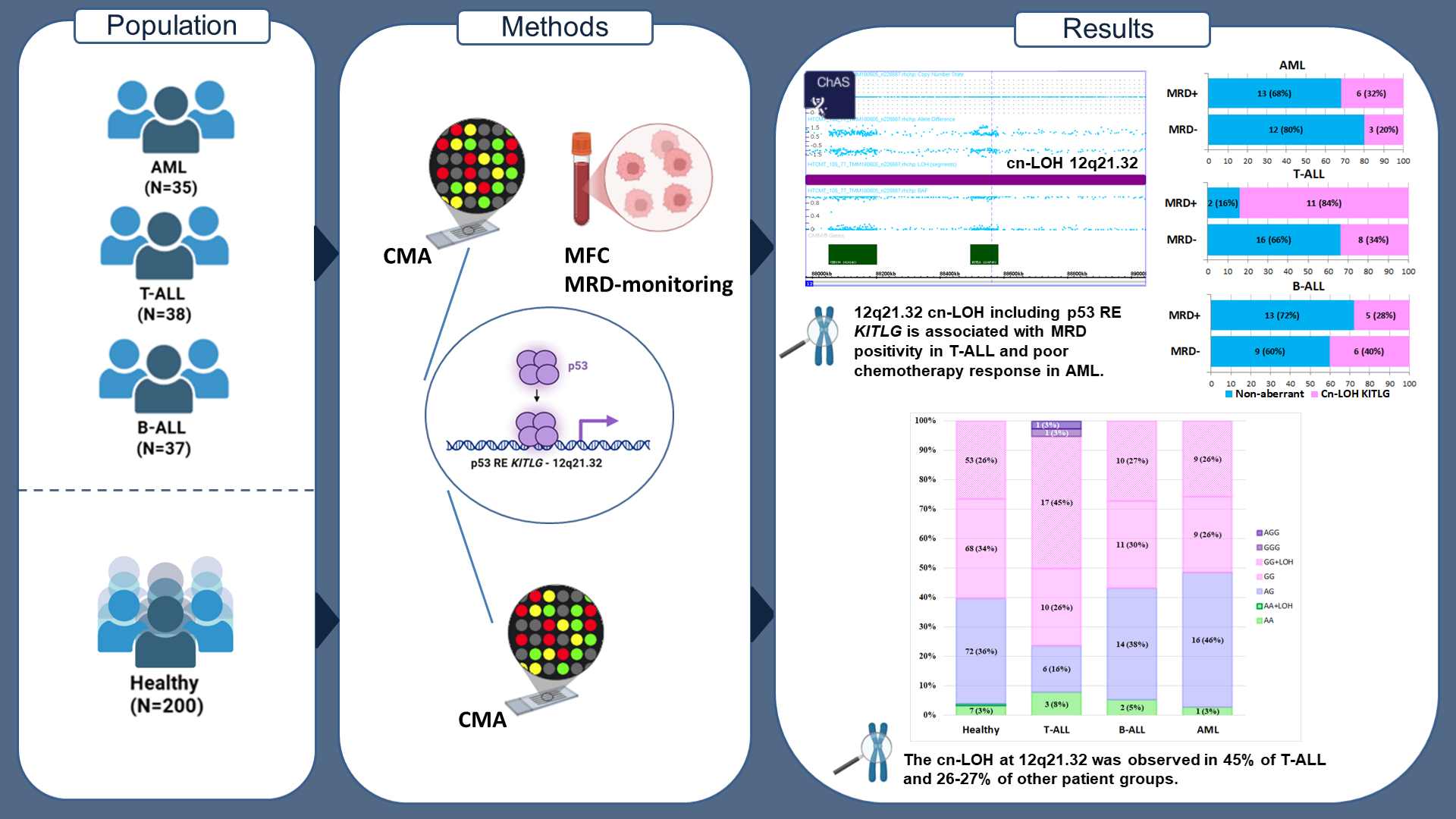
Association of 12q21.32 cn-LOH Affecting the KITLG p53 Response Element with Therapy Resistance in Acute Leukemia

Volume 2

open-access Research Article

Available Online: 25 Jun 2026

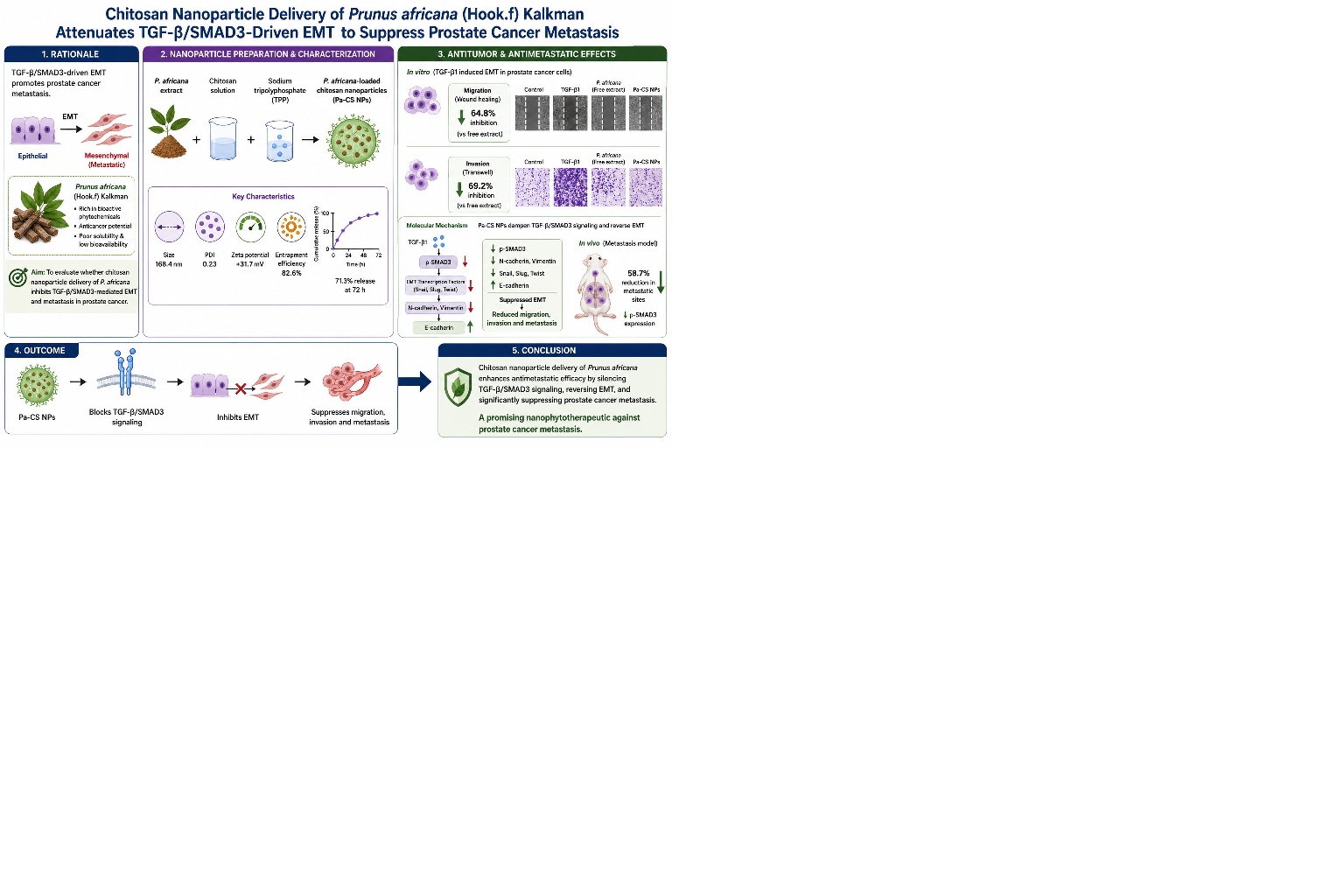
Chitosan Nanoparticle Delivery of Prunus africana (Hook.f) Kalkman Attenuates TGF-β/SMAD3-Driven Epithelial–Mesenchymal Transition to Suppress Prostate Cancer Metastasis

Volume 2

Background: As is well known, one of the major drivers of metastatic prostate cancer is the epithelial-mesenchymal transition (EMT), which is tightly controlled by TGF-β/SMAD3 signaling. Therefore, although Prunus africana, which contains active phytochemicals with anticancer potential, is a drug candidate with poor solubility and limited bioavailability, these limitations may hamper its efficacy in clinical use. Aim: In this study, the team assessed whether vending the extract, P. africana, with..

open-access Review Article

Available Online: 10 Jun 2026

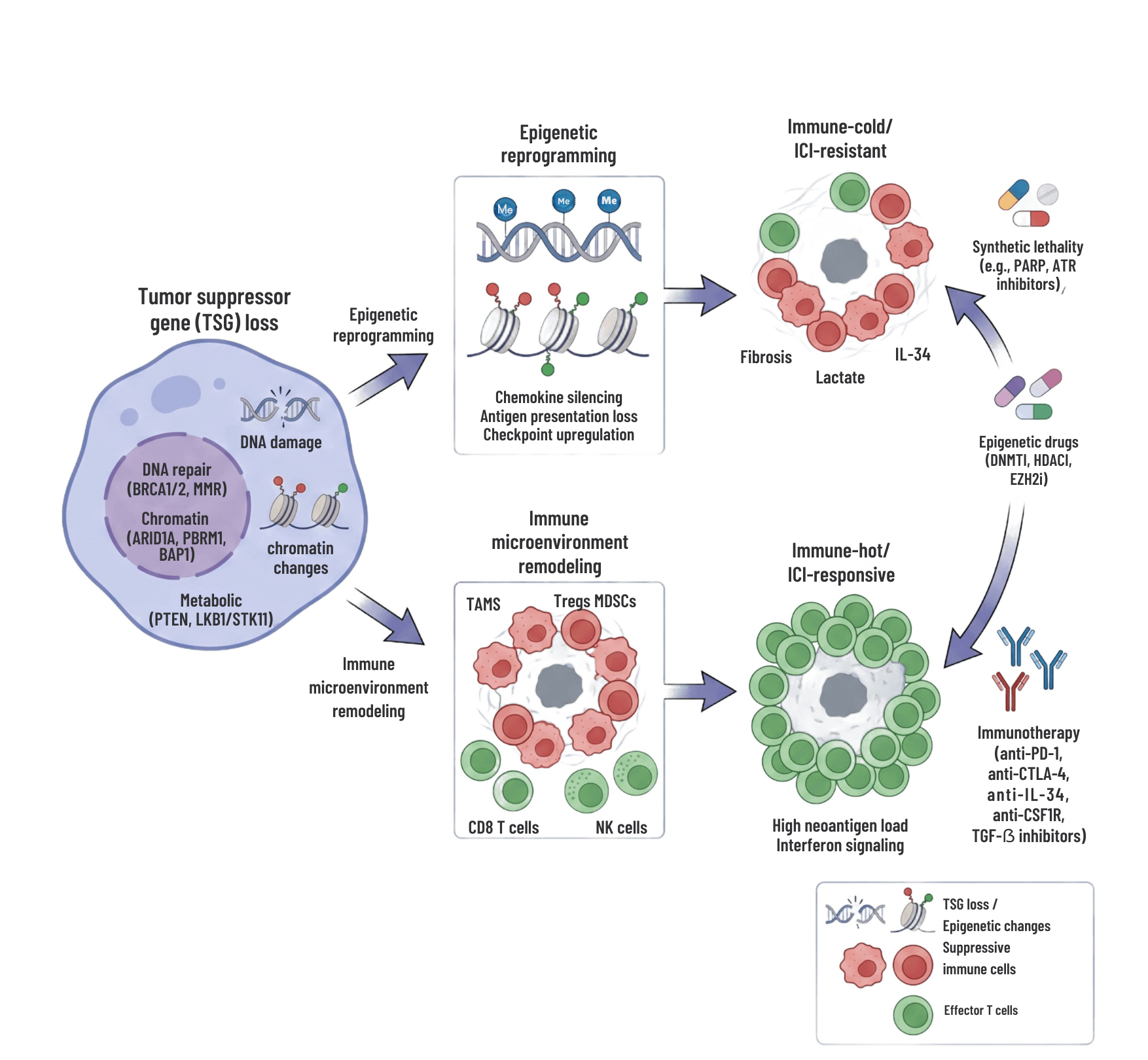
Tumor Suppressor Gene Loss and Immune-Epigenetic Reprogramming

Volume 2